
At Telespace, we believe that technology should empower creativity, innovation, and practical problem-solving. Among the most exciting frontiers in tech today is 3D printing — a transformative process that turns digital designs into tangible objects, layer by layer. Whether you’re a curious beginner, an experienced maker, a business owner, or an artist, 3D printing offers a gateway to bring your ideas to life in ways that were once impossible or prohibitively expensive.
This expansive technology is reshaping industries, from manufacturing to medicine, education to design, and even the way everyday people create and customize their world. As pioneers in providing 3D printing services and solutions, we’re excited to guide you through the possibilities, essentials, and nuances of this technology — helping you unleash your creativity and harness 3D printing’s power.
Understanding 3D Printing: The Basics of Layered Innovation
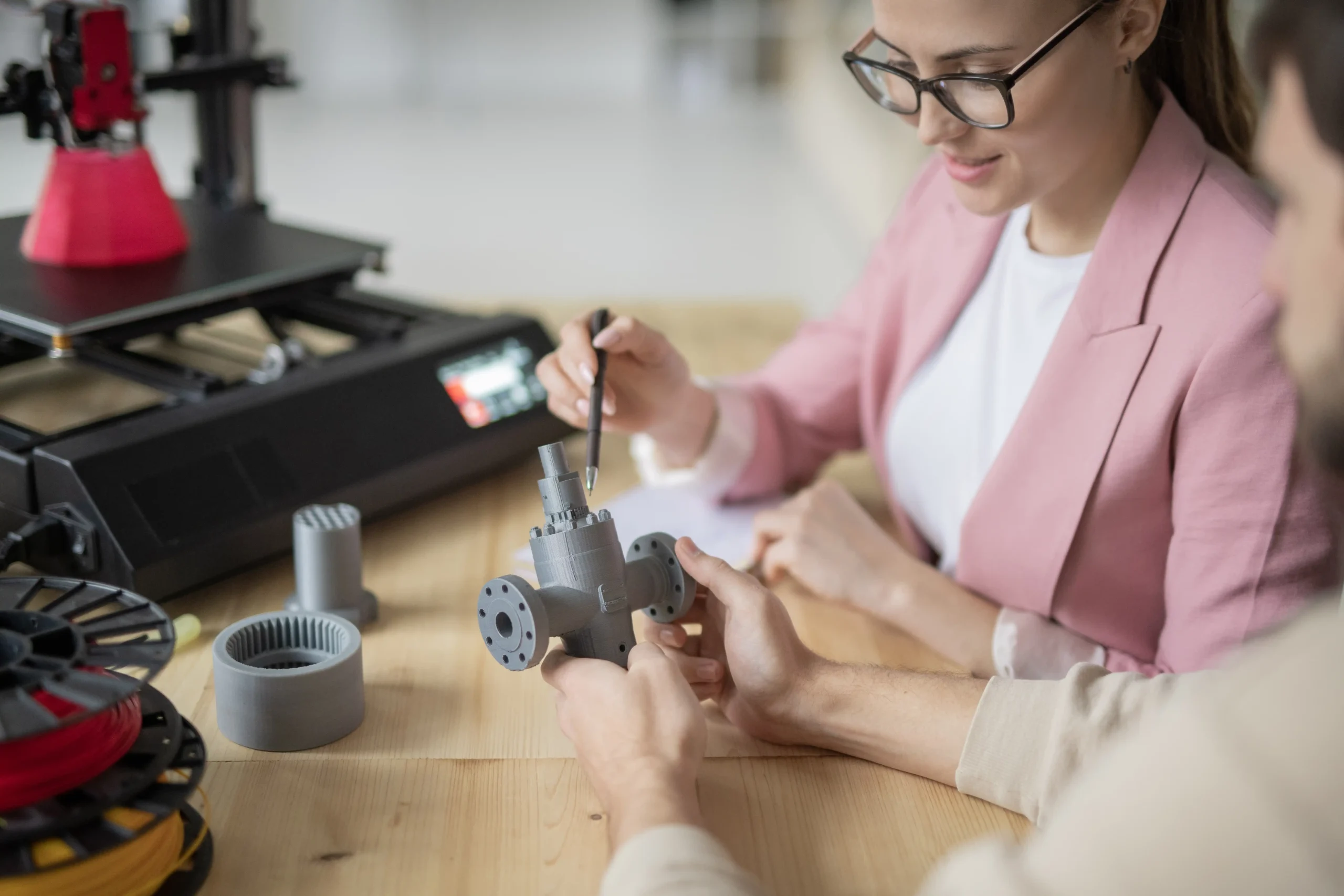
3D printing, also known as additive manufacturing, is the process of creating three-dimensional objects from a digital file. Unlike traditional subtractive methods, which cut away material from a solid block, 3D printing builds objects by adding material layer by layer. This fundamentally different approach allows for unprecedented complexity, customization, and speed in prototyping and production, enabling designs that were previously impossible or too costly to manufacture.
At the heart of 3D printing lies a digital 3D model — often designed in CAD (computer-aided design) software — which is then sliced into thin horizontal layers. These sliced layers serve as precise instructions for the printer, which deposits material sequentially to build the object from the bottom up. Depending on the printer technology, materials can range from common plastics and resins to advanced metals and composites, each offering unique properties suited for different applications.
Grasping these foundational concepts is essential for anyone exploring 3D printing, as it demystifies the technology and sets realistic expectations about what can be achieved, including print times, resolution, and material limitations. This understanding also helps users troubleshoot challenges and optimize their designs for successful printing.
The Spectrum of 3D Printing Technologies: Which One Fits Your Vision?
3D printing isn’t a one-size-fits-all technology. Different types of 3D printers use various techniques, each with unique strengths and ideal use cases. Understanding these differences can help you choose the best option to bring your ideas to life efficiently and effectively. Here’s a brief overview of the main categories:
- Fused Deposition Modeling (FDM): The most common and affordable type, FDM printers melt and extrude thermoplastic filament layer by layer. It’s perfect for prototypes, hobby projects, and educational purposes due to its accessibility and ease of use. While FDM prints may have visible layer lines, advances in technology have improved their quality significantly.
- Stereolithography (SLA): SLA printers use a UV laser to cure liquid resin into hardened plastic, producing highly detailed and smooth surfaces with impressive precision. This technology is favored for jewelry, dental models, and finely detailed artistic pieces where accuracy and surface finish are critical.
- Selective Laser Sintering (SLS): SLS uses a laser to fuse powdered materials—typically nylon or metals—to create durable, functional parts with complex geometries and mechanical strength. Because no support structures are needed, SLS is ideal for intricate designs and industrial-grade components.
- Multi Jet Fusion (MJF) and Digital Light Processing (DLP): These advanced technologies offer faster print speeds, exceptional detail, and a wider variety of material options, making them increasingly popular in industrial and commercial settings where efficiency and quality are paramount.
Choosing the right technology depends on your project’s specific needs such as durability, detail, speed, cost, and material properties. At Telespace, we offer a diverse range of these printing options, helping you select the perfect process that aligns with your vision and budget.
Material Matters: Exploring the Choices That Bring Prints to Life
The material used in 3D printing is as crucial as the technology itself because it directly impacts the strength, flexibility, texture, color, and overall usability of the final product. One of the most common materials is PLA (Polylactic Acid), a biodegradable plastic that’s easy to work with, making it ideal for beginners and educational projects. It’s known for its ease of printing and environmentally friendly properties, though it is less heat resistant compared to other plastics. For applications requiring more durability, ABS (Acrylonitrile Butadiene Styrene) is a stronger, more heat-resistant plastic commonly used for functional prototypes and parts that need to withstand more stress.
In the realm of resin-based printing, especially with SLA technology, resins offer exceptional fine detail and smooth finishes, making them perfect for precise items like jewelry or dental molds. Flexible and durable materials such as nylon and TPU (Thermoplastic Polyurethane) are frequently used in selective laser sintering (SLS) to create parts that require elasticity or robust performance under mechanical stress. For high-performance industrial applications, 3D printing with metals like stainless steel, titanium, and aluminum enables the production of strong, lightweight parts crucial for aerospace, automotive, and medical industries. These metal parts often require advanced printers and post-processing but open new possibilities in design and functionality.
Choosing the right material depends on your project’s specific requirements, including its function, aesthetic preferences, budget, and desired durability. At Telespace, we guide you through these options carefully, helping you select materials that will bring your vision to life with the quality and functionality it deserves.
Applications Transforming Industries: 3D Printing Beyond Prototypes
3D printing’s impact reaches far beyond rapid prototyping — it has evolved into a full-fledged manufacturing and design solution across a range of industries. Its ability to turn digital models into physical objects quickly, affordably, and with impressive precision has made it a disruptive force in sectors that demand customization, complexity, and speed.
In healthcare, 3D printing is revolutionizing patient care through custom prosthetics, implants tailored to individual anatomies, surgical guides, and anatomical models that help doctors plan complex procedures. It has even extended into bioprinting, where researchers are developing tissue scaffolds and exploring ways to print living cells for regenerative medicine.
Automotive and aerospace industries are leveraging 3D printing to create lightweight components that reduce vehicle weight and increase fuel efficiency. Complex geometries once impossible to produce with traditional methods are now being printed with high-performance materials, accelerating innovation cycles and cutting costs.
In education, students engage with tactile learning through printed models of molecules, organs, historical artifacts, and mechanical systems. These tools enhance comprehension and make abstract concepts more accessible.
Architecture firms print precise scale models to communicate ideas clearly and win client approvals, while artists and fashion designers push creative limits through wearable sculptures, avant-garde pieces, and customized accessories.
Meanwhile, manufacturers use 3D printing to create custom tools, replacement parts, and low-volume production runs, significantly reducing inventory costs and lead times. This on-demand production model is especially valuable for startups and niche markets.
By bridging digital design with physical execution, 3D printing is not just a novelty—it’s a transformative tool. As we continue to support businesses and creatives, we’re seeing firsthand how accessible tools and expert guidance can unlock 3D printing’s potential far beyond prototyping.
How 3D Printing Fuels Creativity: Stories from Makers and Innovators
Creativity thrives in the world of 3D printing. Across industries and disciplines, it has empowered individuals to break past traditional design limitations and bring their ideas to life with a level of freedom and precision that was once reserved for large-scale manufacturers. Artists sculpt elaborate installations that would be nearly impossible to fabricate by hand. Entrepreneurs prototype revolutionary products, refine them quickly, and move toward market readiness without needing huge investment upfront. Educators design interactive learning models to make science, technology, history, and art tangible and engaging for their students. Even hobbyists are designing customized gadgets, home décor, and cosplay accessories with remarkable ingenuity.
One of the greatest advantages of 3D printing is its accessibility. Complex designs that once required expensive molds, casting, or machining can now be created right from a desktop printer. The ability to iterate rapidly and inexpensively nurtures experimental thinking, encouraging creators to test, learn, and improve constantly.
This democratization of production is reshaping creative processes. Boldly embracing this creative freedom, our approach is highlighted in how we make 3D printing easy and accessible for creatives, makers, and businesses — a topic we explore deeply in How Telespace Makes 3D Printing Easy for Creatives, Makers, and Businesses. Whether you’re building a prototype, an art piece, or something in between, 3D printing opens doors to limitless possibilities.
The Design Process: From Concept to Digital Model
Before a 3D printer can bring an object to life, it needs a digital blueprint — a precise roadmap that defines every dimension, curve, and feature of the intended creation. This process starts with designing the model, typically using CAD (computer-aided design) software. Beginners often explore platforms like Tinkercad, which offers a simple, intuitive interface perfect for learning the basics. More advanced users might gravitate toward Fusion 360, while professionals working in engineering, architecture, or industrial design rely on powerful programs like SolidWorks, Rhino, or Blender for more complex modeling.
During the design phase, creators must consider several technical aspects. Printability ensures the object is structurally sound and won’t fail during printing. Support structures may be required for designs with overhangs or intricate geometry. Tolerance and fit are crucial when designing parts meant to assemble or interact with other components, especially in mechanical or functional prototypes. Additionally, resolution and detail must align with the printer’s capabilities — overly intricate designs can result in disappointing prints if they exceed hardware limits.
Once finalized, the model is exported into formats like STL or OBJ, then processed through slicing software. This software translates the 3D design into thin, printable layers, setting the stage for creation. It’s this step where creativity fuses with engineering, turning abstract ideas into functional digital models ready for production.
Troubleshooting and Quality Control: Ensuring a Flawless Finish
Despite the impressive advances in 3D printing technology, achieving a perfect print is still as much an art as it is a science. Even with the best machines and materials, challenges can arise, particularly when transitioning from concept to physical form. Common issues include warping — where the edges of a print lift due to uneven cooling — often affecting larger prints or those using materials like ABS. Proper bed adhesion, heated platforms, and enclosures can help mitigate this problem.
Layer shifting, another frequent challenge, results in misaligned layers caused by mechanical instability, loose belts, or sudden movement. Meanwhile, stringing occurs when the printer’s nozzle oozes filament during travel moves, leaving behind fine threads that mar surface quality. Adjusting retraction settings and temperature controls often solves this. Poor bed adhesion, which leads to the print not sticking properly, can typically be improved by bed leveling, surface cleaning, or using adhesion aids like glue sticks or tapes.
Beyond printing, quality control continues through post-processing. Finishing techniques such as sanding, priming, polishing, vapor smoothing, or painting enhance aesthetics and functionality. Whether you’re printing a prototype or a final part, our expert team at Telespace supports you through every step — helping troubleshoot technical hiccups and ensuring your final result meets the highest standards of quality and detail.
3D Printing and Custom PCs: A Synergy of Technology and Creativity
A fascinating intersection is the fusion of custom PC building and 3D printing. Enthusiasts and professionals are now using additive manufacturing to create bespoke PC cases, airflow‑optimised fan shrouds, GPU support brackets, cable combs, and personalised desk accessories — all tailored to individual style, thermal targets, and space constraints. The ability to model and iterate in CAD means every curve, vent, and mounting point can be dialled in with millimetre precision before a single layer is printed, giving builders unprecedented control over thermals, acoustics, and aesthetics.
Beyond aesthetics, functional gains are tangible. Printing complex internal ducts can channel cool air directly to hotspots, improving component longevity without bulky aftermarket coolers. Flexible‑filament grommets tame cable spaghetti, while resin‑printed front‑panel logos diffuse ARGB lighting with professional finesse. Open‑frame test benches once reserved for boutique brands are now downloaded from online repositories, tweaked for unique motherboard layouts, and printed overnight on desktop machines.
Collaboration within maker communities further fuels innovation: one builder’s bracket remix becomes another’s mounting solution for a custom water loop, and incremental improvements propagate at the speed of a forum post. This iterative ecosystem collapses R &D cycles from months to days — a stark contrast to traditional CNC or injection‑mould tooling.
This synergy is an exciting frontier we delve into with our adjoining insights in Tech Meets Creativity: What Happens When You Pair Custom PCs with 3D Printing?, illustrating how tech and creativity amplify each other.
Sustainability and the Future: How 3D Printing Can Reduce Waste
Traditional manufacturing often involves subtractive processes — carving, cutting, or milling away excess material to form a final product. This approach can result in significant waste, particularly when working with metals, plastics, or wood. In contrast, 3D printing is inherently additive, using only the precise amount of material required to build an object layer by layer. This not only minimizes waste but also improves material efficiency across every stage of the production cycle.
A growing range of sustainable materials is further transforming the industry. Bioplastics like PLA, derived from renewable sources such as corn starch or sugarcane, offer a biodegradable alternative to petroleum-based plastics. Additionally, the development of recycled filaments — created from plastic waste, failed prints, or industrial byproducts — provides new opportunities to reduce environmental impact without sacrificing performance.
Another environmental benefit lies in decentralized production. With 3D printing, products can be made locally and on-demand, eliminating the need for bulk shipping, warehousing, and mass overproduction. This reduces not only the carbon footprint but also the logistical complexity of global supply chains.
As innovations continue, energy-efficient printing methods, closed-loop recycling systems, and sustainable design practices will become standard. 3D printing isn’t just reshaping what we make — it’s redefining how responsibly we make it.
Unlocking Your Potential with Telespace: Partnering for Possibility
At Telespace, we’re more than a service provider — we’re collaborators in your creative journey. From beginners curious about how to start, to seasoned makers pushing boundaries, and businesses streamlining production, our expertise and technology empower you every step of the way.
Our comprehensive solutions include expert consultations, access to a variety of printer technologies, material selection guidance, and post-processing services — all designed to bring your ideas from concept to reality.
By choosing Telespace, you tap into a hub of innovation, quality, and creative freedom, ready to transform your ideas into tangible success.
As the world continues to discover and expand the possibilities of 3D printing, the potential to shape industries, unleash creativity, and solve problems grows exponentially. Whether you are dreaming up intricate designs or practical solutions, 3D printing opens doors to new realities.
We invite you to join us at Telespace and bring your ideas to life — layer by layer, innovation by innovation.