
3D printing has moved far beyond experimental labs and hobby workshops. Today it is used by engineers, designers, entrepreneurs, and small businesses across Australia to create prototypes, custom parts, and unique products. The ability to transform a digital design into a physical object within hours has made the technology both practical and widely accessible.
At Telespace, we help turn digital ideas into physical models through flexible 3D printing services that allow users to upload their design files, choose materials, and receive a custom quote based on the project’s complexity and requirements.
Understanding the cost of 3D printing is not always straightforward because prices vary depending on materials, print size, complexity, and the technology used. This guide explores the main factors that influence pricing in Australia and what individuals or businesses should expect when planning a 3D printing project.
What Determines the Cost of 3D Printing?
3D printing prices rarely come from a single fixed rate. Most service providers calculate costs based on a combination of technical and practical factors.
A few key elements play the biggest role in determining the final price.
Material choice
Different materials come with different costs. Common plastics like PLA or ABS are typically more affordable, while engineering materials or specialty resins increase the price.
Model size and volume
Larger models use more material and take longer to print. As a result, bigger objects almost always cost more than small prototypes or components.
Print time
Printing can take anywhere from one hour to several days depending on the model. Longer print times increase equipment usage and labour costs.
Complexity of the design
Intricate shapes, internal structures, and fine details require more precise printing and sometimes additional post processing.
Finishing and post processing
Sanding, curing, painting, or assembling parts can add to the total cost.
Many professional services evaluate these factors after reviewing the design file before providing a final quote.
Typical 3D Printing Price Ranges in Australia
Although every project is different, there are general price ranges that help estimate potential costs.
Small objects such as simple brackets, miniatures, or small prototypes are usually the most affordable. These projects may fall within the lower price range because they use minimal material and print quickly.
Mid sized functional parts or prototype components tend to sit in the middle range due to increased material use and longer print times.
Large models, detailed sculptures, or complex mechanical parts often cost significantly more because they require advanced printing processes, longer production time, and sometimes multiple prints that must be assembled.
Typical estimates across Australia often fall into ranges like these:
• Small prints: roughly $20 to $50
• Medium prints: around $50 to $200
• Large or complex prints: $200 and above
These figures are general guides rather than fixed prices. Each project is usually quoted individually after reviewing the model file.
Material Costs and Their Impact on Pricing
Materials are one of the most influential factors in 3D printing costs.
Common thermoplastics are widely used for prototypes and everyday objects because they balance durability with affordability. These materials are ideal for hobby projects, replacement parts, and basic product testing.
Engineering materials, on the other hand, are designed for strength, heat resistance, or flexibility. These materials often appear in automotive components, product development, or functional prototypes.
Resin based materials produce smoother surfaces and finer details but usually cost more due to the printing process and additional curing steps required after printing.
[LINK-PILLAR:Some projects prioritise durability and cost efficiency, while others focus on extremely smooth surfaces and intricate detail, which often requires different printing approaches depending on the application.]
The choice of material directly affects both production cost and the final performance of the printed object.
Technology Used in the Printing Process
Not all 3D printers work the same way. The technology used can significantly affect price, surface finish, and structural strength.
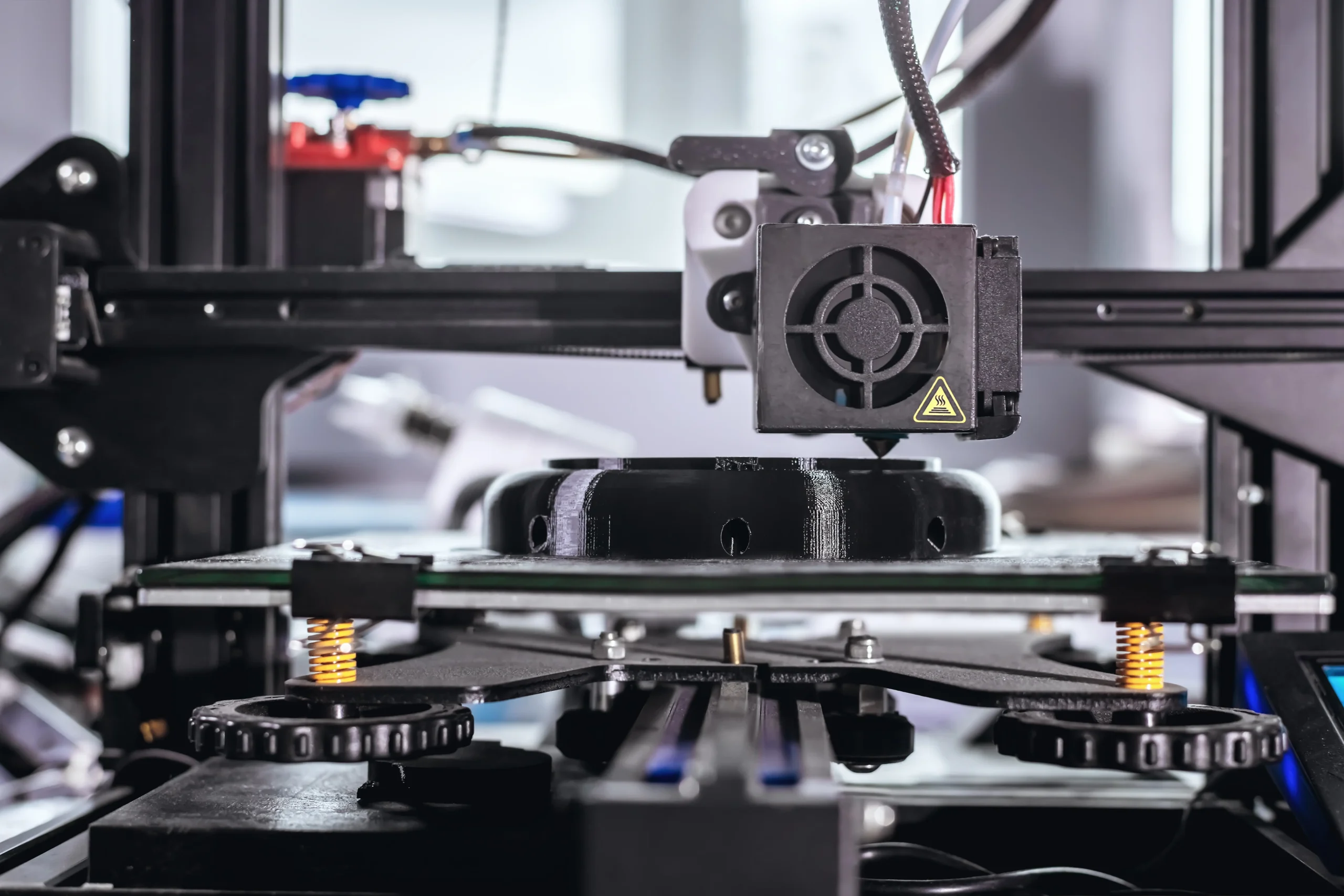
Some printers build objects by melting plastic filament layer by layer. This approach is widely used because it is cost effective and suitable for many types of parts.
Other systems rely on liquid resin that hardens under ultraviolet light. These printers are known for producing highly detailed models and smooth surfaces.
[LINK-NEXT:Certain printing methods build objects by layering melted filament, while others use light cured resin to capture extremely fine features and smooth finishes.]
Each technology serves different purposes. Cost differences usually reflect the level of detail, accuracy, and material used in the process.
Why Businesses Use Professional 3D Printing Services
For many Australian businesses, outsourcing 3D printing is more practical than buying and maintaining their own equipment.
Professional printing services provide access to specialised machines, materials, and expertise without the upfront investment.
Some common uses include:
• Product prototyping
• Custom manufacturing parts
• Architectural models
• Engineering components
• Custom tools and fixtures
Outsourcing also allows businesses to experiment with new designs without committing to expensive machinery.
[LINK-PILLAR:Many Perth companies now use on demand printing to test product ideas, create prototypes, or manufacture small batches without investing in large scale production equipment.]
This flexibility makes 3D printing particularly valuable for startups, designers, and engineers developing new products.
The Journey from Design File to Finished Object
The process of ordering a 3D print is often simpler than many people expect. Most services follow a straightforward workflow.
The first step is submitting the design file. Formats such as STL or OBJ are commonly used for 3D models.
Next comes the quotation stage. The provider reviews the file to estimate material usage, print time, and overall complexity.
Once the quote is approved, the model enters production. The printer builds the object layer by layer until the final structure is complete.
After printing, finishing processes may include cleaning, curing, sanding, or assembling parts before delivery.
Services like those offered by Telespace streamline this workflow by allowing customers to upload their design files and receive a customised quote based on the project specifications.
Turning Digital Designs Into Real Objects
3D printing continues to reshape how products are designed and manufactured. What once required complex machining or large scale manufacturing can now be produced quickly with digital fabrication tools.
Pricing varies depending on materials, technology, and project complexity, but the flexibility of modern 3D printing allows individuals and businesses to create everything from small prototypes to functional mechanical components.
For creators, designers, and engineers exploring new ideas, services like those provided by Telespace make it possible to transform digital models into physical objects through a simple process of uploading designs, selecting materials, and receiving a tailored production quote.
As the technology continues to evolve, the cost of 3D printing in Australia will likely become even more accessible, opening the door to more experimentation, innovation, and custom manufacturing across many industries.